Coastal homes, practical preventionCorpus Christi, TX
Corpus Christi Pest ControlCall Now
Coastal Bend homes

Corpus Christi
pest control.

Pest control in Corpus Christi starts with understanding what is getting in, where it is hiding, and why it keeps coming back. Explore targeted care for your home, from the kitchen to the coastal backyard.

Pest professional in protective coveralls applying a targeted exterior spray around a coastal home
SERVICES FOR YOUR HOME

Pest services for Corpus Christi homes.

Choose the concern that matches what you are seeing. Each service explains the signs, assessment and next steps.

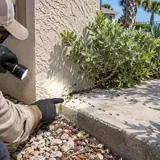
Technician pointing to an ant entry point at the edge of a concrete slab01

Ant control

Follow recurring trails back to food, moisture, shelter and the points where ants enter. Identification helps distinguish a seasonal visitor from activity that needs a more focused plan.

What Ant control covers

Identification and trail locations, including the outside edge of the affected room. A treatment and monitoring plan that accounts for any products already applied.

PROPERTY CARE
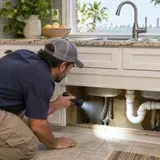
Technician inspecting behind the kick plate under a kitchen sink02

Cockroach control

Identify the cockroach and the places supporting it. Kitchens, appliances, plumbing gaps and shared walls need different attention from a single insect entering from outdoors.

What Cockroach control covers

Species identification and a record of the rooms affected. Coordination of preparation, targeted work and follow-up monitoring.

PROPERTY CARE
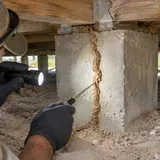
Technician probing a mud tube on a concrete pier above sandy soil03

Termite inspection

Check possible termite signs before deciding on treatment. Accessible wood, foundation edges, discarded wings and moisture conditions can help separate evidence from assumptions.

What Termite inspection covers

Accessible wood, foundation edges and the reported evidence. Written next steps for pest work, monitoring and any separate building assessment.

PROPERTY CARE
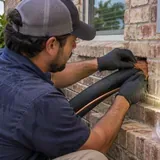
Technician fitting copper mesh around an opening beside an AC line set04

Rodent exclusion

Find and address the gaps that let rodents reach the home. Exclusion connects entry-point repairs with identification, activity checks and a practical follow-up plan.

What Rodent exclusion covers

Accessible entry points recorded by location, rather than a general promise to seal the home. Sequencing with current activity and a check of the repaired openings.

PROPERTY CARE
Gloved hand emptying a bucket beside a birdbath in a coastal yard05

Mosquito reduction

Look at standing water and resting areas as well as the insects in the yard. A property-specific plan combines habitat reduction with suitable treatment options.

What Mosquito reduction covers

Water-holding containers and accessible drainage concerns. Practical source reduction, treatment scope and review after changing weather.

PROPERTY CARE
Technician lighting a spider web beneath a porch06

Spider control

Understand webs, shelter and the insects attracting spiders. Target the spaces that matter while distinguishing occasional outdoor activity from a recurring indoor concern.

What Spider control covers

Recurring web or sighting locations and any identification question. The included height and areas for web removal or targeted work.

PROPERTY CARE
Technician treating a carpet edge and baseboard near a pet bed07

Flea control

Coordinate the indoor environment, resting areas and any pet-care needs. Understanding where fleas develop helps avoid treating only the places where bites are noticed.

What Flea control covers

Evidence identifying the pest and the rooms or resting areas involved. Coordination with pet-care advice and a clear follow-up period.

PROPERTY CARE
08

Residential pest prevention

Bring inspection, targeted treatment and everyday prevention into one plan. Focus on the pests and conditions at the home rather than treating every property the same way.

What Residential pest prevention covers

Current evidence and recurring concerns around the building. Practical property-care priorities and a way to review changing activity.

PROPERTY CARE
Low homes along a residential street with sandy roadside grass

Coastal homes, practical prevention

A MORE CONSIDERED APPROACH

Look beyond
the obvious signs.

The pest you see is one part of the picture. Food, moisture, shelter and routes through the building can help explain why activity appears where it does. An assessment should connect those conditions with the evidence.

A considered plan makes the next step clear: what has been identified, which spaces need attention, what preparation is required and how progress will be reviewed. That lets you make decisions about your home with a better understanding of the work.

Findings you can follow

Know what was assessed and what remains uncertain.

Scope you can understand

Separate the immediate work from any additional recommendations.

FROM CONCERN TO CLARITY

A simple path to the next step.

No need to know the diagnosis before you get in touch.

01

Describe the concern.

Tell the team what changed, when it began and where you notice it. Include the property address, access needs and a contact number. These details help frame the conversation before an appointment is discussed.

02

Review the findings.

An assessment should identify the cause where possible and explain any limits. Talk through the recommended work, preparation and what is included. Ask questions before approving a repair or treatment plan.

03

Know what comes next.

Keep the service details and understand the follow-up. Ask what changes to expect, what to report and which ongoing care or property repairs are your responsibility. A clear finish includes clear instructions.

Tell the team about earlier treatment, recent building work or changes in storage and landscaping. A recurring concern may involve access and conditions as well as the pest itself.

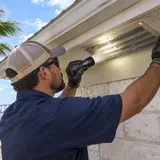
Technician checking the worn sweep beneath an exterior doorTechnician examining a gap around exterior utility conduit
CORPUS CHRISTI · COASTAL BEND

Built around life on the Coastal Bend.

A home near the bay and a house farther inland may have different entry points, drainage and surrounding vegetation. In Corpus Christi, an assessment should start with the property itself: doors, utility penetrations, garage edges, screened spaces and the places where moisture collects.

Rain can leave water in plant saucers, containers and blocked gutters. Corpus Christi’s mosquito guidance emphasizes removing standing water, so a mosquito conversation should include habitat around the property as well as the insects currently being noticed.

For addresses in Flour Bluff, Calallen, Southside and Padre Island, share the exact location and building type. Mention detached garages, rental units and shared outdoor spaces when you ask about service.

After rain, note where water collects around the yard. That detail makes a mosquito assessment more useful.

Location and access details
LOCAL REFERENCE POINTS

Start with your address.

Share your location to discuss coverage and availability.

Flour BluffCalallenSouthsidePadre Island

ZIP references: 78411, 78412, 78413, 78414, 78415, 78418

Postal areas do not define exact city boundaries or guarantee service coverage. Confirm the property address with the team.

THE DETAILS MAKE A DIFFERENCE

Inside, outside, or both?

An ant trail at the kitchen sink and mosquitoes around a patio are different concerns. Describe each separately so the assessment can consider indoor routes, exterior conditions and any work that needs a different service scope. A general pest plan should not silently stand in for a termite inspection.

If the home has a detached garage, outdoor storage or a screened area, mention those spaces when you call. Note whether the concern is limited to one building and whether you can provide access to the relevant edges. After heavy rain or yard work, explain what changed and where you first noticed new activity.

Sandy ground and coastal grasses along a home’s slab edgeDamp ground and windblown leaves beside a covered porch
USEFUL BEFORE YOU BOOK

A little context makes a better conversation.

Identify before you intervene.

Similar signs can have different causes. Droppings, winged insects and damaged wood need context, not guesswork. Keep a record of where and when activity appears and leave uncertain evidence undisturbed until the next step is clear.

Small building details matter.

Door edges, screens, vents and utility penetrations can change how pests reach a space. Discuss practical repairs alongside any control work. A treatment plan and a maintenance task may need different people, so clarify responsibilities before work begins.

Prevention is part of the conversation.

Food storage, moisture and shelter can influence recurring activity. Ask which changes are relevant to your property and which are lower priority. The goal is a manageable plan tied to the findings, with a clear way to report changes afterward.

Recognize common pests and their signs

Illustrative close-ups show the features to note when describing a sighting. A photo can help narrow down the issue.

  • Brown ant with a narrow waist and bent antennae
    Ants
  • Brown cockroach with long antennae and folded wings
    Cockroaches
  • Pale termites among pieces of damaged wood
    Termites
  • Small brown rodent with rounded ears beside grass
    Rodents
  • Mosquito resting on a rough surface with its long legs visible
    Mosquitoes
  • Brown spider with patterned markings and legs spread on a pale surface
    Spiders
ANSWERS BEFORE YOU BOOK

Corpus Christi pest control questions.

Find practical answers about the concern, the visit and the next step.

What if I am not sure which pest I have?

Start with the signs and where you noticed them. A clear photograph, sighting dates and the type of room can help, but some concerns need a closer assessment. Do not handle an unfamiliar animal or disturb a nest to identify it. Accurate identification helps avoid choosing the wrong service.

How should I prepare before a visit?

Preparation depends on the pest, affected spaces and proposed work. Share access restrictions, pet information and any areas that cannot be reached. Ask for instructions before moving large amounts of furniture, applying products or disturbing evidence. Keep a record of what you have already tried.

What about children and pets?

Tell the team who uses the property before any plan is agreed. Ask about product information, preparation, placement, re-entry and keeping pets away from relevant areas. No treatment should be described as universally safe regardless of how it is used; the specific instructions matter.

Does every concern need a recurring plan?

No. The right arrangement depends on the pest, activity, property conditions and the findings. Ask whether the concern calls for assessment, targeted work, exclusion, follow-up or a continuing program. Make sure the scope explains which pests are included and what would be a separate service.

How do I check my location?

Provide the exact address and ZIP code in Corpus Christi or the surrounding area. Postal codes are useful reference points but do not check coverage or an appointment. The team should check the location, access needs and availability before a visit is arranged.

What should a follow-up plan explain?

It should state what changes to expect, when activity will be reviewed, what you should report and whether another visit is included. Keep the findings and preparation instructions. If the problem changes, explain where and when rather than assuming it has the same cause.

START WITH YOUR PROPERTY

Tell us what you need help with.

Choose a service, add your ZIP code and describe what has changed. A few specific details make the first conversation easier.

  • The rooms or outdoor areas involved.
  • When you first noticed the concern.
  • Recent work and any access arrangements.

Not sure which service fits? Choose “Not sure yet” and describe the signs. Confirm the exact address and appointment details with the team.

A FEW DETAILS TO GET STARTED

Tell us about the concern.

Message delivery is not connected yet. This form saves your details on this device; it does not send a request or book an appointment.

LET’S START WITH YOUR HOME

A clearer plan.
A calmer home.

Tell the team what you have noticed and where you need help.

Local notes for Corpus Christi, Texas

Related pages on this site: Services, Areas we serve, Contact.

Call the teamContact options
CONTACT OPTIONS

Phone details are being added.

You can prepare your enquiry on the contact page. Your details stay on this device until message delivery is connected.

Prepare an enquiry